Identifying Troopship Picture Postcards

[postcard]
Updated April 24, 2006

You may have an image of a ship that appears to be old, but you don't know if it depicts a First World War US troopship. Well, here are some guidelines that may help you to be more certain about the age of the image.

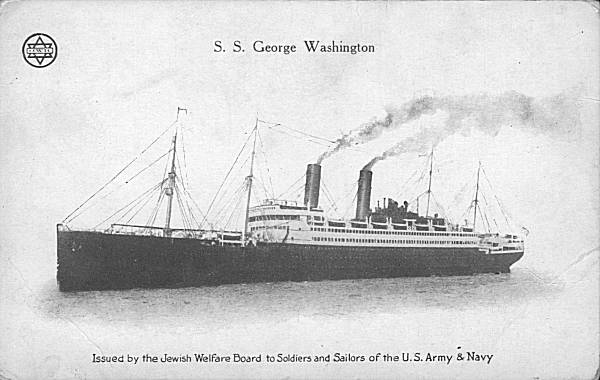
[buoy] If you have a JWB card, then the identifying is over. These cards are easy to spot, since they have a very similar format, and always include the logo of the JWB. They all appear to have been issued for returning troops after the Armistice. None are known that depict any other ships. Note, however, that the images used on these cards are generally from the pre-war era.

[buoy] Going beyond the JWB cards, any card with a date is very useful. Sometimes a soldier wrote on the back of a card indicating the date, even if the card was not mailed. Troops were still being returned to the US in late 1919. Some of the soldiers in Siberia did not get back until 1921 (!)

[buoy] If the card has no date, but it is a real-photo card, you can get an idea of the general time period by checking this helpful site. The site has images of the backs of real photo cards from many eras. Unfortunately, the real-photo stock listed on the site was used during a period that spans the War era for maybe 10 years on either side.

Collectors have found quite a wide variety of real-photo cards created by a wide variety of publishers and photographers. Sometimes they are marked with the publisher or photographer, and sometimes they aren't.

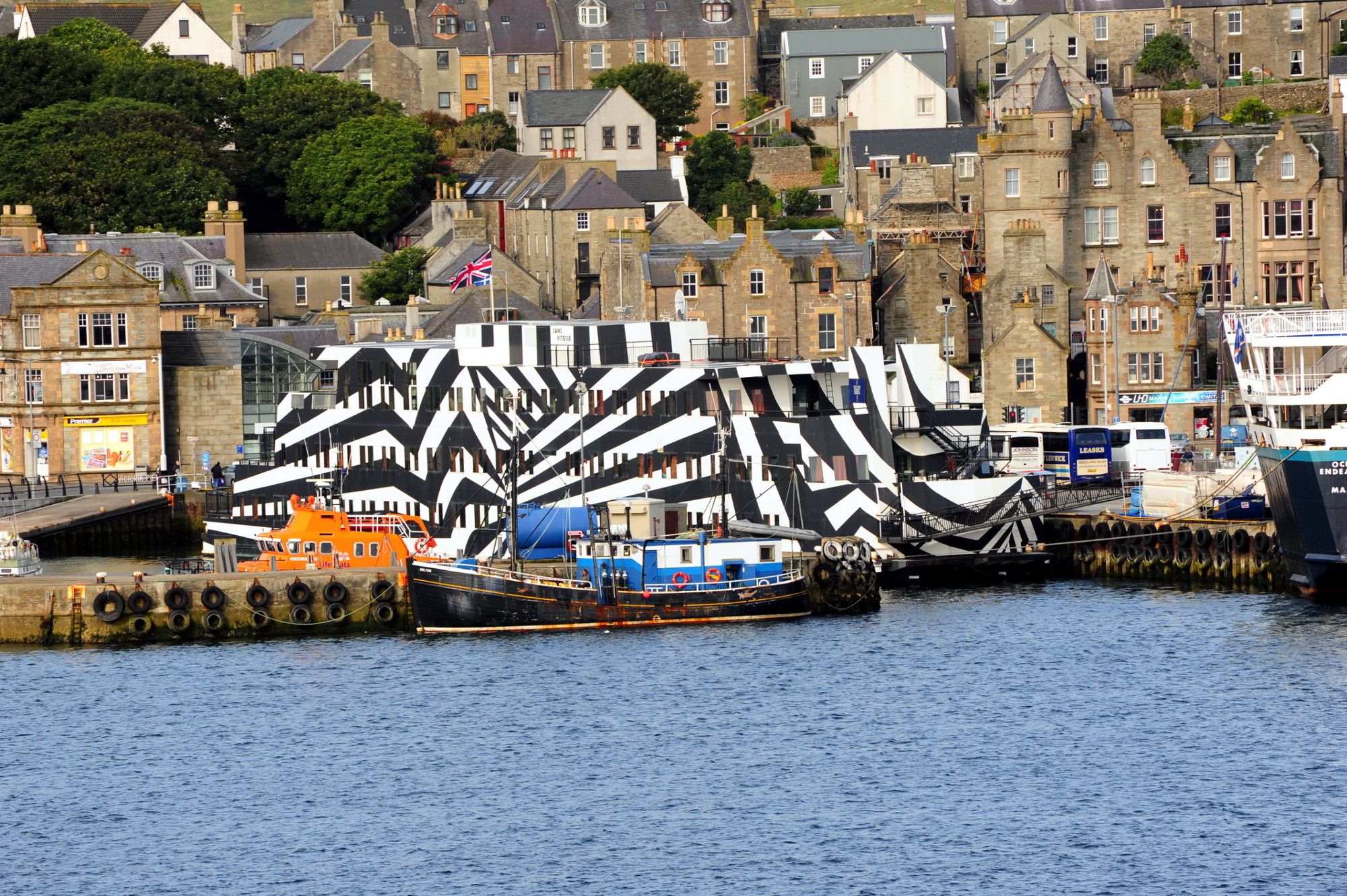
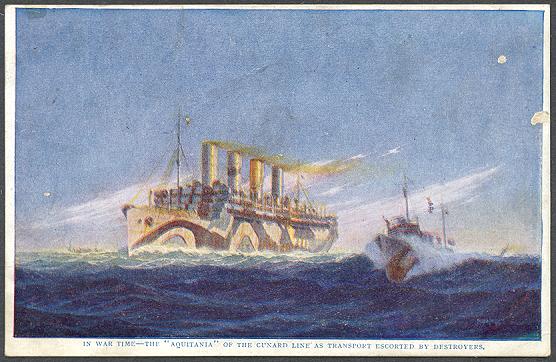
[buoy] If the ships are in "war colors" then they are from that era. Even great ocean liners were repainted for convoy duty. The original idea was for "dazzle paint". This camouflage concept was based on the idea that really strange patterns would confuse a submarine captain and make them shoot in the wrong direction. Later the ships were painted a simple grey.

If a ship is in its official livery (especially smokestack logos and colors), then it is unlikely that this is a war-era image. The exception to this are German liners taken as war reparations and used for returning troops. They would have no need for special camoflage. Here is an image of the British liner Aquitania [48k JPG] displaying a very nice painting of the ship in her wartime "livery".

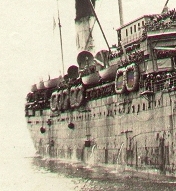
[buoy] The ship has life rafts hanging off the sides. Rafts were only used on troopships. As liners were being converted to troopships, the planners quickly determined that lifeboats would be useless on a ship crammed with thousands of soldiers. When trouble did come (in the form of a torpedo), the rafts proved to be very helpful. So, any ocean liner seen with big oval rafts along its sides was a troopship. Here is an image of the U.S.S. Maui in war configuration, clearly showing the life rafts.

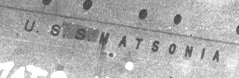
[buoy] The ship has a name starting with "USS". While civilian ships had the designation SS (steamship), they became official US vessels for troop carrying. The names were altered on the hull to show this new name. This is an image of the U.S.S. Matsonia showing the altered name on the bow.

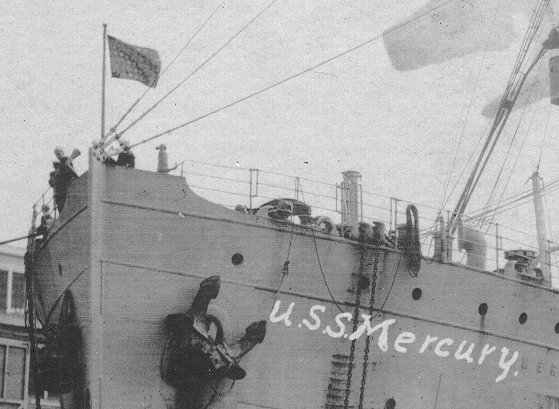
[buoy] The ship is flying the US jack on the bow. The official naval jack is a flag with only the star field of the US flag (no stripes). This flag was reserved for use by US naval vessels only. So, what might have been a civilian liner would only fly this ensign on the bow, if it were a US troopship. This is an image of the U.S.S. Mercury showing the jack flying from the bow.

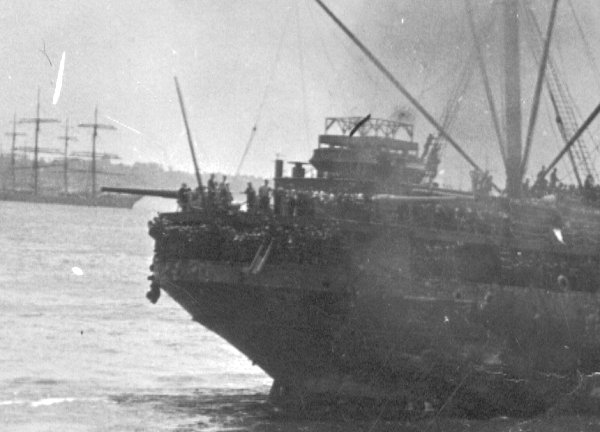
[buoy] The ship has deck guns. Of course, peacetime ocean liners rarely had large caliber guns on their decks. These guns were added for convoy duty to help repulse submarine attacks.

[buoy] The ship has one or more very large and high "crows nests". While most ocean liners had high-level lookouts, these were augmented (and increased) for anti-submarine duty during wartime.

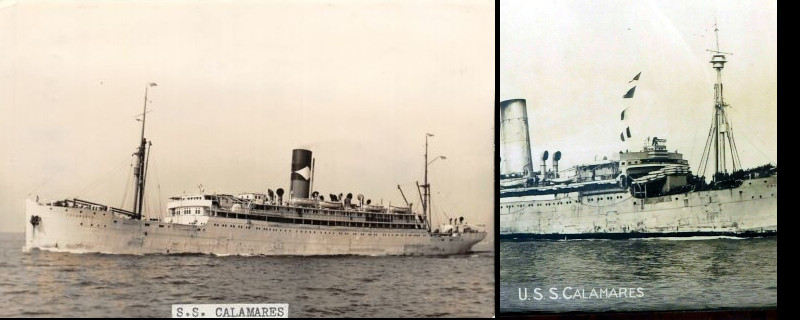
For instance, contrast these two real photo picture postcards of the Calamares. First, seen before the war, and then during the war. Note the presence of the high crows nests installed for convoy operations. Not only could these high vantage points be used to spot submarines, but they could also help direct the ship's gunfire at the sub.

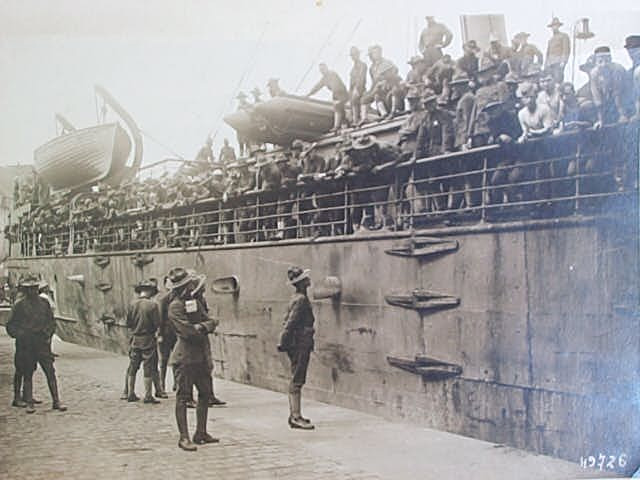
[buoy] The soldiers in the picture are wearing the "campaign hat" (now more likely known as the "Smokey Bear" hat.). Army men going overseas wore this style hat. The hats can be seen in this photo of some soldiers on board a troopship visiting with the soldiers at the dock.

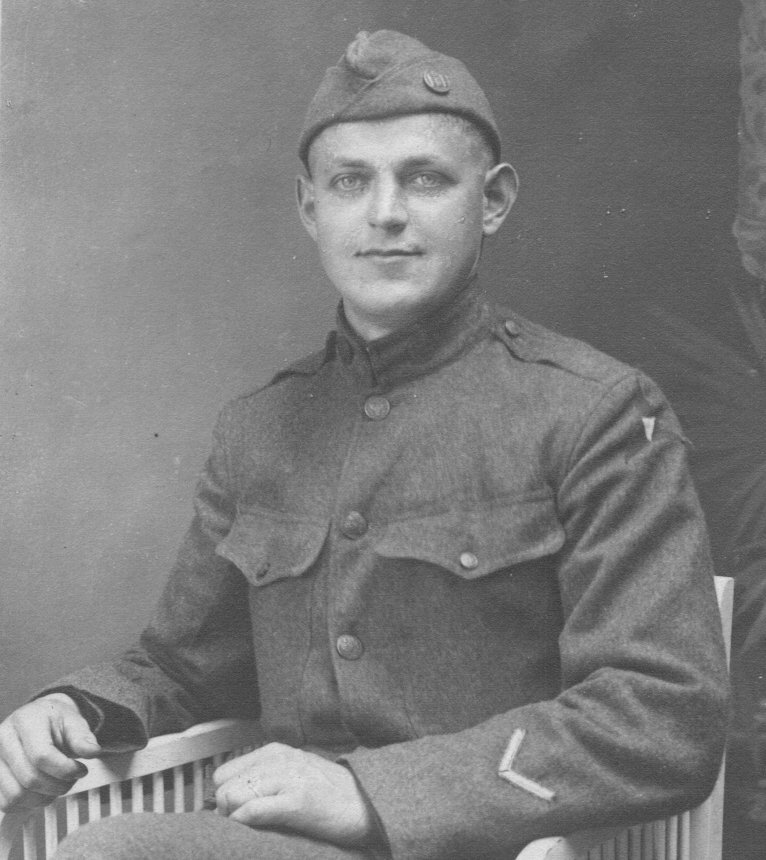
Note that Army men returning from Europe wore the overseas cap, an item much more familiar to us, as it was used in WW II and continues to be a uniform item in the US military.


More Links


Valid XHTML 1.0!